Solenoid Valve Essentials: A Comprehensive Guide to Fluid Control
Introduction
In modern industrial fluid control, the solenoid valve is an indispensable component. From water treatment plants and air compressors to medical devices and chemical lines, these valves are the “gatekeepers” that manage the flow of various media with precision.
But what exactly are they, and how do you choose the right one? This guide provides a practical overview of solenoid valve technology and selection.
What is a Solenoid Valve?
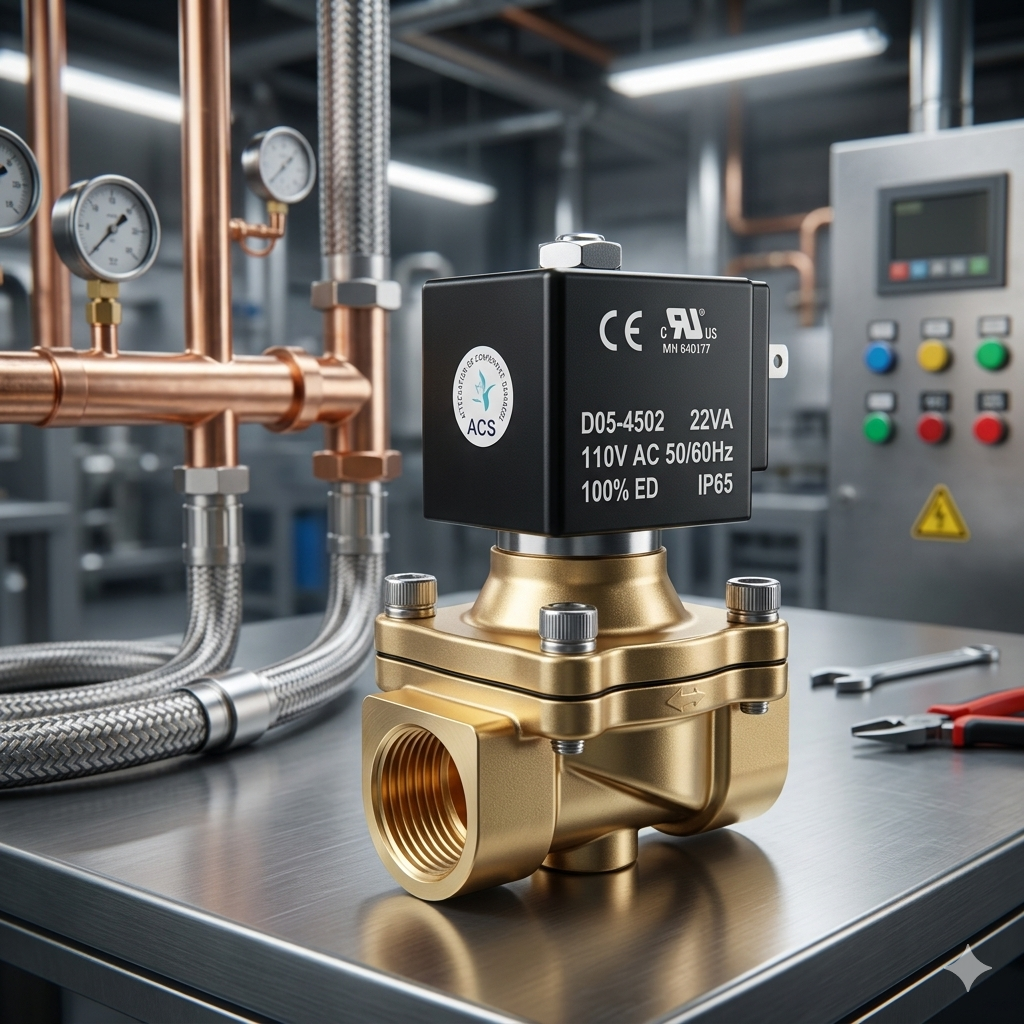
A solenoid valve is an electromechanical device used to control the flow of liquids or gases. It operates by using an electromagnetic coil to move a plunger, which either opens or closes the valve orifice. Because they offer rapid response times, they are the preferred choice for improving system efficiency and remote control capabilities.
How Does It Work?
The process is simple: when the coil is energized, it creates a magnetic field that moves the plunger to change the flow path. When power is removed, a spring or medium pressure returns the plunger to its original position. For low-pressure or gravity-fed systems, Direct-Acting models are used as the coil’s force directly lifts the seal without needing external pressure.
The Big Three: Direct, Pilot, or Semi-Direct?
This is where 80% of buyers get confused. Let’s make it easy:
- Direct-Acting (Zero Pressure): Think of this like a manual lift. The coil does all the work. It’s perfect for low pressure or gravity-fed tanks where there is no “push” from the water.
- Pilot-Operated (Pressure Required): This valve is “lazy”—it uses the pressure of the medium itself to help it open. Crucial: If your water pressure is too low (typically less than 0.3 bar), this valve will stay stuck.
- Semi-Direct (The Hybrid): It’s the best of both worlds. It can open even with zero pressure but handles high flow rates like a pro.
Common Types of Solenoid Valves
- 2-Way Solenoid Valves: Featuring one inlet and one outlet. Used primarily for simple on/off control of water, air, or oil.
- 3-Way Solenoid Valves: Features three ports. Typically used to switch flow paths or to control single-acting pneumatic actuators.
- 5-Way Solenoid Valves: Featuring five ports. These are essential for controlling the direction of double-acting cylinders in automated assembly lines and packaging machinery.
- Normally Closed (NC) vs. Normally Open (NO): NC valves stay closed until powered; NO valves stay open until powered.
Main Applications
- Industrial Automation: Using 5-way valves to drive pneumatic cylinders in production lines.
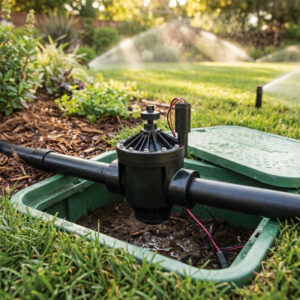
- Water Management: Essential for irrigation, water purification, and wastewater systems.
- HVAC & Refrigeration: Regulating the flow of refrigerants and steam.
- Medical & Food Grade: Specialized stainless steel valves ensure high cleanliness and corrosion resistance.
How to Choose the Right Solenoid Valve
Selecting the correct valve is crucial for system longevity. Consider these six factors:
- Medium Compatibility: Match your valve body (Brass, Stainless Steel, or Plastic) and seals (NBR, Viton, or EPDM) to the fluid.
- Pressure Ratings: Check both your minimum and maximum pressure to ensure you choose the correct actuation type (Pilot vs. Direct).
- Orifice & Flow (Cv): Ensure the internal diameter can handle your required flow rate.
- Voltage: Common standards include DC 24V and AC 110V/220V. (Look for UL Certified coils for maximum safety).
- Environment: For outdoor or hazardous areas, ensure the coil has the proper IP rating or explosion-proof certification.
- Cycle Frequency: For high-speed switching, choose a valve designed for a long service life.
Conclusion
A high-quality solenoid valve—though a small part of a larger machine—can significantly reduce maintenance costs and downtime. By understanding your specific media and pressure requirements, you can select a reliable solution that ensures stable performance for years to come.