Vitrified CBN vs Resin CBN Grinding Wheels: What’s the Difference?
CBN is a superhard abrasive, second only to diamond in hardness. Unlike diamond, it’s chemically stable against iron. That makes it the go-to abrasive for ferrous materials — hardened steel, high-speed steel, and heat-resistant alloys.
CBN wheels come in four bond types: resin, metal, vitrified, and electroplated. Here’s a closer look at the two most common for precision grinding: vitrified and resin.


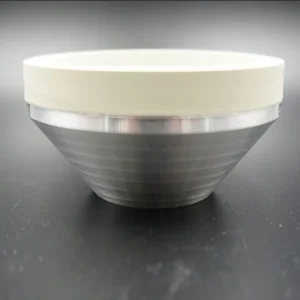
Vitrified CBN Grinding Wheel
Vitrified bond combines the strengths of metal and resin bond. Key features:
- Sharp cutting, low grinding force
- High production efficiency
- Long service life
- Easy to dress
- High grinding precision
- Low grinding temperature
- High durability of the workpiece surface
Best for:
- Titanium alloy, vanadium alloy steel
- Tungsten molybdenum high-speed steel, special high-speed steel
- Cobalt alloy steel
- Crankshafts, camshafts, precision bearings
- High-precision gears, gear shapers
- Precision lead screws, machine tool guideways


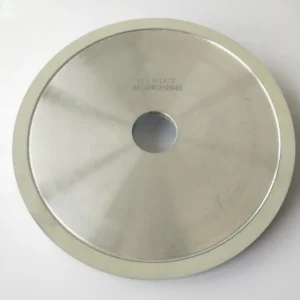
Resin CBN Grinding Wheel
Resin bond uses phenolic, polyimide, or polyurethane resin as the bonding agent. Key features:
- Good self-sharpening
- High grinding efficiency
- Lower grinding force than vitrified or metal bond
Best for:
- High-vanadium high-speed steel cutting tools
- Stainless steel
- Tool steel and die steel
- Semi-finish and finish grinding of heat-resistant workpieces
Which One Fits Your Process?
| Type | Strengths | Best For |
|---|---|---|
| Vitrified CBN | Long life, easy dressing, high precision, low heat, sharp cutting | Crankshafts, camshafts, precision bearings, gears, guideways, high-alloy steels |
| Resin CBN | Strong self-sharpening, high efficiency, low grinding force | Cutting tools, stainless steel, tool/die steel, finish grinding |
Not sure which bond fits your workpiece? Reach out to ZY Industrial at tanya@zyindustrial.com.